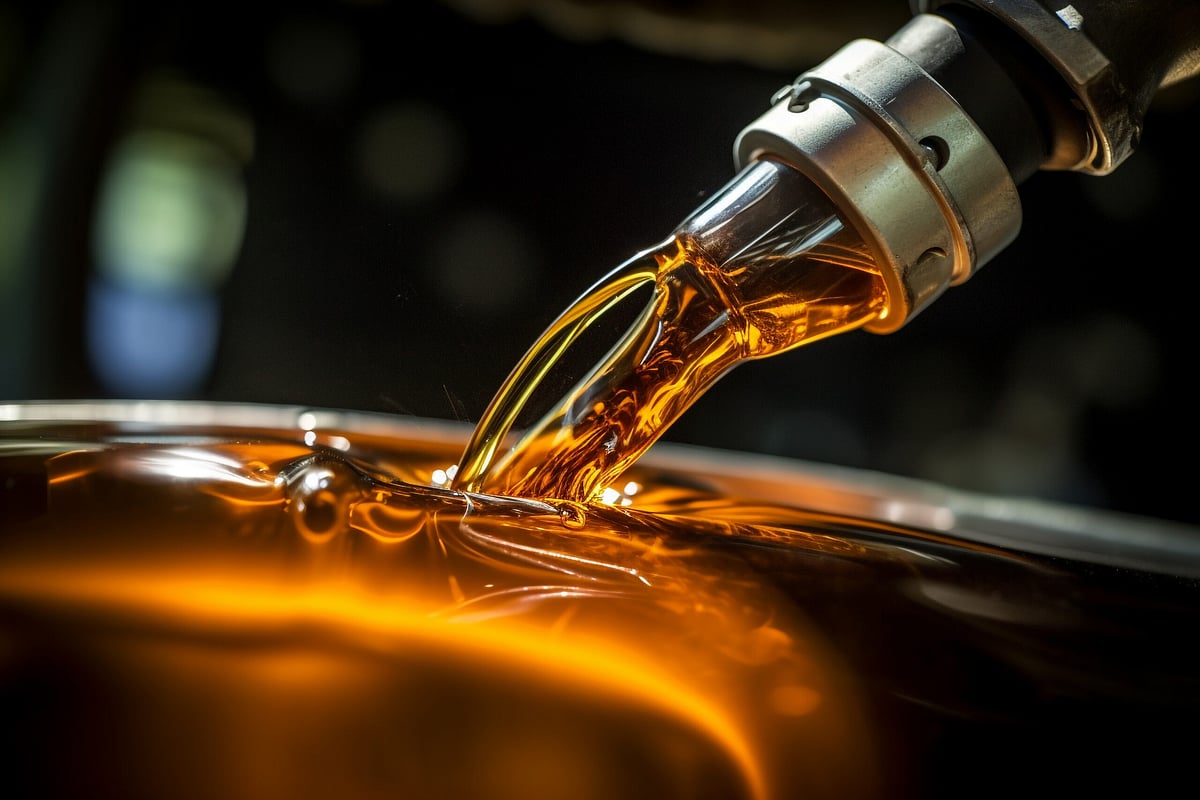
Diesel fuel presents several persistent operational challenges in storage and heavy-duty engines—ranging from water condensation and rust corrosion to abrasive injector wear and microbial infestations (“diesel bug”). Fuelfix is an advanced diesel fuel conditioner engineered to interact directly with water in diesel fuel, converting it into a non-corrosive, combustible lubricant that protects injectors, pumps, and storage tanks.
1. The Role of Water in Diesel Fuel Systems
Water enters diesel tanks continuously through atmospheric condensation during day/night temperature cycles, bulk delivery transfers, and vented storage caps. Untreated water triggers three destructive processes:
- Internal Corrosion: Water reacts with steel tanks, fuel lines, lift pumps, and injector internals to form iron oxide (rust).
- Fuel Gumming: Water interacts with unstable resins in diesel to form sticky gums that varnish injector needles.
- Abrasive Erosion: Under extreme common-rail injection pressures, suspended water micro-droplets and rust particles act like a grinding paste, enlarging injector nozzle orifices and ruining spray atomization.
2. Neutralizing Combustion Acids (SOx & NOx)
During combustion, oxides of sulphur and nitrogen (SOx and NOx) react with free moisture to form sulphuric and nitric acids. Through cylinder blow-by, these acids enter the crankcase, depleting engine oil TBN, degrading lubricity, and creating sludge. By chemically binding and neutralizing free water in the fuel prior to injection, Fuelfix inhibits acid formation and extends engine oil life.
3. Eliminating Microbial Infestation Without Toxic Biocides
Hydrocarbon-degrading bacteria and fungi live at the water-diesel interface at the bottom of storage tanks, producing thick slime that blinds filters within hours. Traditional chemical biocides are toxic and leave dead biomass suspended in the tank to clog filters. Fuelfix removes the free-water habitat microbes require to survive and safely disperses organic residues so they pass cleanly through the combustion cycle without blocking filters.
4. Best-Practice Tank Sampling & Dosing
Bi-Weekly Bottom Sampling
Draw fuel samples from the lowest sump point of bulk storage tanks twice a week to check for free water and sediment.
Remedial Water Dosing
Drain bulk free water mechanically, then dose Fuelfix to emulsify and neutralize remaining suspended moisture and protect injectors.
Proven Field Performance
Extensive trials across underground mining fleets, commercial transport operators, and industrial generators have demonstrated measurable improvements in fuel economy (up to 8% reduction in specific fuel consumption), cleaner used-oil analysis metrics, and significantly lower CO and NOx exhaust emissions—all while adhering strictly to SANS 342 diesel specifications.