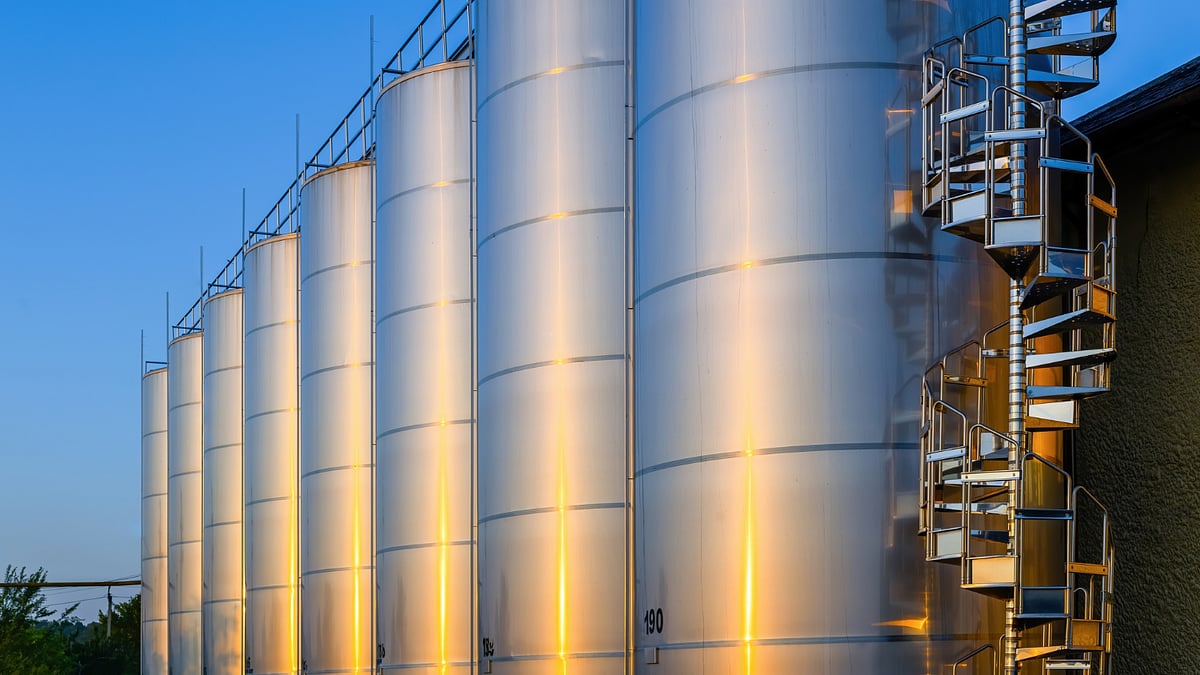
Maintaining bulk fuel storage tanks is an essential discipline for depot owners, agricultural estates, mines, and fuel station managers across South Africa. Proactive tank care prevents costly fleet downtime, fuel degradation, and environmental contamination.
1. Understanding Fuel Storage Requirements by Fuel Type
- Diesel: Highly energy-dense but hygroscopic and prone to condensation and microbial growth (“diesel bug”) at the water-fuel interface. Requires routine water draining, desiccant/water-block filtration, and periodic tank polishing.
- Petrol (ULP): Highly volatile; requires vapour-tight seals, pressure/vacuum breather valves, and UV-protected or underground storage to prevent evaporation losses and fire hazards.
- Biofuels & Blends: Absorb atmospheric moisture faster and oxidize more rapidly than mineral diesel, requiring stricter turnover schedules and moisture-resistant tank linings.
2. Risks of Poorly Maintained Fuel Tanks
Sludge & Contamination
Water, dust, and microbial slime accumulate at the tank floor and get drawn into suction lines during bulk deliveries.
Internal Shell Corrosion
Water sitting on steel tank bottoms causes pitting corrosion, rust flaking, and eventual structural leaks into bund areas or soil.
Thermal Oxidation
Long-term static fuel darkens, forms gums, and drops below SANS 342 combustion specifications.
3. Comparing ASTs, USTs, and Mobile Bowsers
- Aboveground Storage Tanks (ASTs): Cost-effective and easy to inspect visually for leaks, bund integrity, and valve condition, though more exposed to ambient temperature swings that cause condensation.
- Underground Storage Tanks (USTs): Ideal for retail forecourts and high-volume depots with stable subterranean temperatures, but require automated tank gauging (ATG), interstitial leak monitoring, and water-finding paste checks.
- Mobile Bowsers & Skids: Essential for construction and mining sites; require heavy-duty particulate/water spin-on filters and secure baffle inspections.
4. Six Best Practices for Fuel Tank Maintenance
- Monthly Visual & Dip Inspections: Check tank shells, bund walls, breathers, hoses, and water levels using water-finding paste.
- Regular Sump Water & Sediment Draining: Bleed water from low-point drain valves before it reaches the pump suction foot-valve.
- Scheduled Tank Cleaning & Fuel Polishing: Circulate stored fuel through multi-stage water separators and micron filters to remove sludge and restore clarity without wasting fuel.
- Breather & Pressure Relief Maintenance: Keep air breathers clean and fitted with moisture/dust traps so tanks breathe safely during pumping and thermal expansion.
- Internal Protective Coatings: Inspect internal linings on steel tanks to prevent rust scaling.
- Accurate Logbooks & Lab Sampling: Record delivery certificates, dip readings, filter pressure differentials, and quarterly laboratory test results.