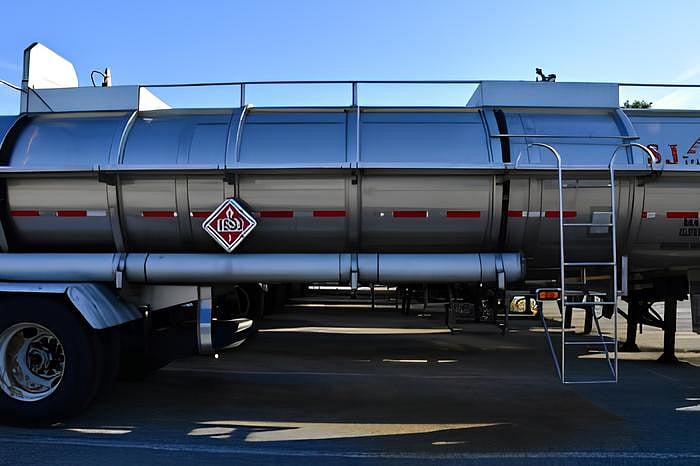
For transport and logistics operators, fuel quality directly dictates fleet availability and operating margin. Even a single batch of contaminated or off-spec diesel can cause blocked filters, scored high-pressure fuel pumps, and premature injector failure across multiple vehicles.
How Contamination Impacts Modern Diesel Engines
- Water Contamination: High water levels (>350 ppm) strip lubrication from fuel injection equipment, cause injector tip cavitation, and trigger rust inside rails and pumps.
- Microbial Growth: Bacteria and fungi thrive at the diesel-water interface, forming organic sludge and corrosive acids that rapidly plug filters.
- Solid Particulates: Tank scale and dust abrade fine injector clearances, increasing fuel consumption and exhaust smoke.
Precision Diagnostics at the Petroleumfix Laboratory
At Petroleumfix, our laboratory utilizes specialized analytical instruments—including infrared spectrometers, closed-cup flashpoint testers, and calibrated kinematic viscometers—to deliver accurate, repeatable fuel quality reports within 24 hours. Testing your bulk deliveries and storage tanks empowers your workshop team to take corrective action before vehicles leave the depot.
Forecasting Maintenance & Lowering Total Cost of Ownership
Routine diesel analysis allows fleet managers to move from reactive breakdown repairs to predictive maintenance. By verifying that every bulk fuel drop meets SANS 342 standards for density, flash point, viscosity, and sulphur, your fleet achieves maximum kilometers per liter, extended filter service intervals, and uninterrupted delivery reliability.