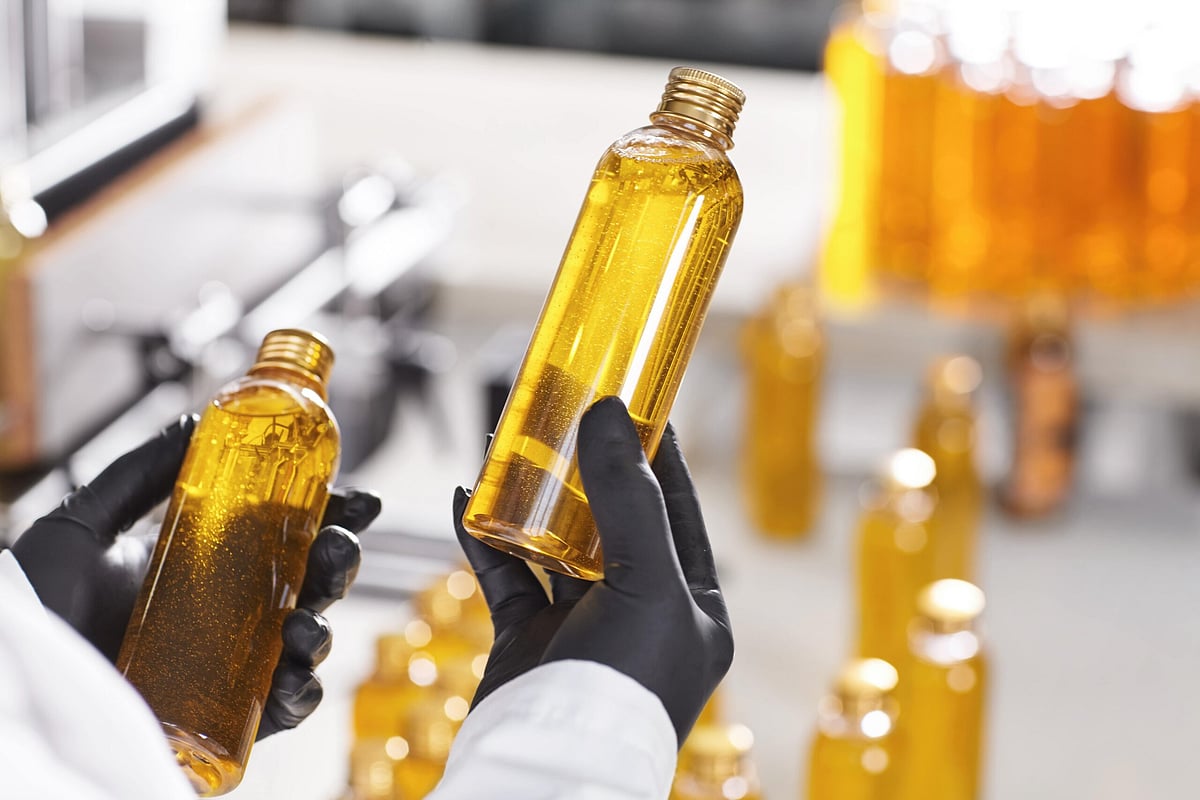
In the petroleum industry, fuel quality isn’t just a matter of efficiency—it’s a matter of safety, regulatory compliance, and protecting high-value equipment. From bulk fuel suppliers to retail fuel station operators and commercial depots, ensuring that every drop of product meets required national standards is essential. This is where on-site and rapid laboratory testing becomes a game-changer.
Why On-Site & Rapid Testing Matters
Traditionally, fuel samples were sent away to slow external laboratories with multi-week turnarounds. While accurate, slow turnaround times delay critical operational decisions while contaminated fuel sits in storage tanks or enters fleet vehicles. Bringing laboratory testing closer to your operation allows technicians and depot managers to:
- Get rapid 24-hour results for immediate operational decision-making before off-loading or dispensing bulk fuel.
- Detect contamination early before water, illuminating paraffin (IP), or particulates damage injectors, pumps, or customer vehicles.
- Maintain strict compliance with South African National Standards (SANS 342) and international fuel specifications.
- Protect capital assets by ensuring heavy machinery, commercial fleets, and storage systems run on clean, verified fuel.
Key Tests Performed at the Petroleumfix Laboratory
Our Pretoria petroleum testing laboratory is equipped to carry out a comprehensive suite of diagnostic assessments:
Density & Specific Gravity
Confirms the fuel matches SANS density specifications (820–845 kg/m³) and detects dilution or paraffin adulteration.
Flash Point Testing
Verifies that diesel ignites only at safe temperatures (minimum 55°C), ruling out dangerous petrol cross-contamination.
Water Content Detection
Identifies suspended and free water contamination (<350 ppm) that leads to microbial growth, rust, and injector failure.
Kinematic Viscosity
Ensures lubricants and diesel fuels flow and atomize properly under high-pressure operating conditions.
Distillation Curve Analysis
Measures volatility and boiling range (180°C–370°C) to uncover heavy oil or solvent contamination.
Sulphur Content Testing
Spectrometric verification for 50 ppm and 10 ppm low-sulphur compliance and environmental protection.
Real-World Benefits for Bulk Fuel Users
For businesses that store, distribute, or consume petroleum products in large volumes, routine testing delivers measurable returns:
- Reduced Downtime: Detecting off-spec deliveries before fuel reaches engines prevents catastrophic breakdowns.
- Direct Cost Savings: Identifying adulterated fuel before acceptance prevents warranty rejections, insurance claims, and wasted inventory.
- Customer Confidence: Fuel retailers and wholesalers can guarantee consistent, certified product quality to their clients.
- Audit & Regulatory Readiness: Stay ahead of SABS/SANS inspections and environmental checks with documented laboratory certificates.
“Since my first time visiting Petroleumfix to see their operation, to now buying all my depot and bowser requirements from them, the service has been exceptional. Respect, technical accuracy, and customer relationships are their main priority.”